
William's Investigation of the Murders
The Name of the RoseWilliam of Baskerville's systematic inquiry into the series of deaths at the abbey, from Adelmo's fall to the final confrontation.
increasing Bearing strength in each event
 decreasing
Bearing strength in each eventdecreasingArrival and First Deduction
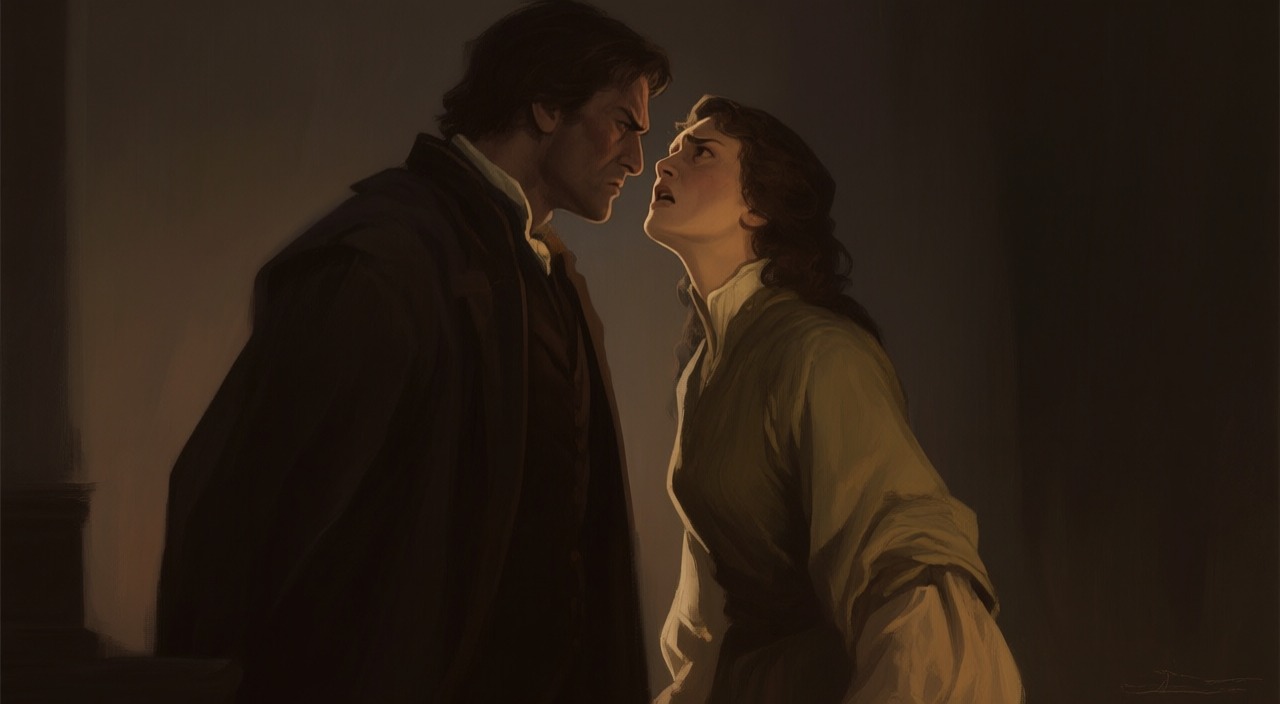
The Franciscan Detective Arrives
A Master of Observation
William of Baskerville, a Franciscan friar renowned for his intellect, arrives at the abbey with his novice Adso. Immediately, he demonstrates his deductive prowess by describing the abbot's lost horse, Brunellus, from tracks in the snow. This feat establishes his reputation and sets the stage for his role as investigator.
The Abbot's Request
Abbot Abo, troubled by the recent death of the young illuminator Adelmo of Otranto, asks William to investigate. The abbot hints at darker secrets within the monastery, including possible diabolical involvement. William accepts, though he is wary of the abbot's restrictions, particularly the prohibition against entering the library.
First Clues
William begins by examining the scene of Adelmo's fall and questioning the monks. He quickly deduces that Adelmo likely committed suicide, driven by guilt and fear. This initial hypothesis will be tested as more deaths occur.
The Second Death
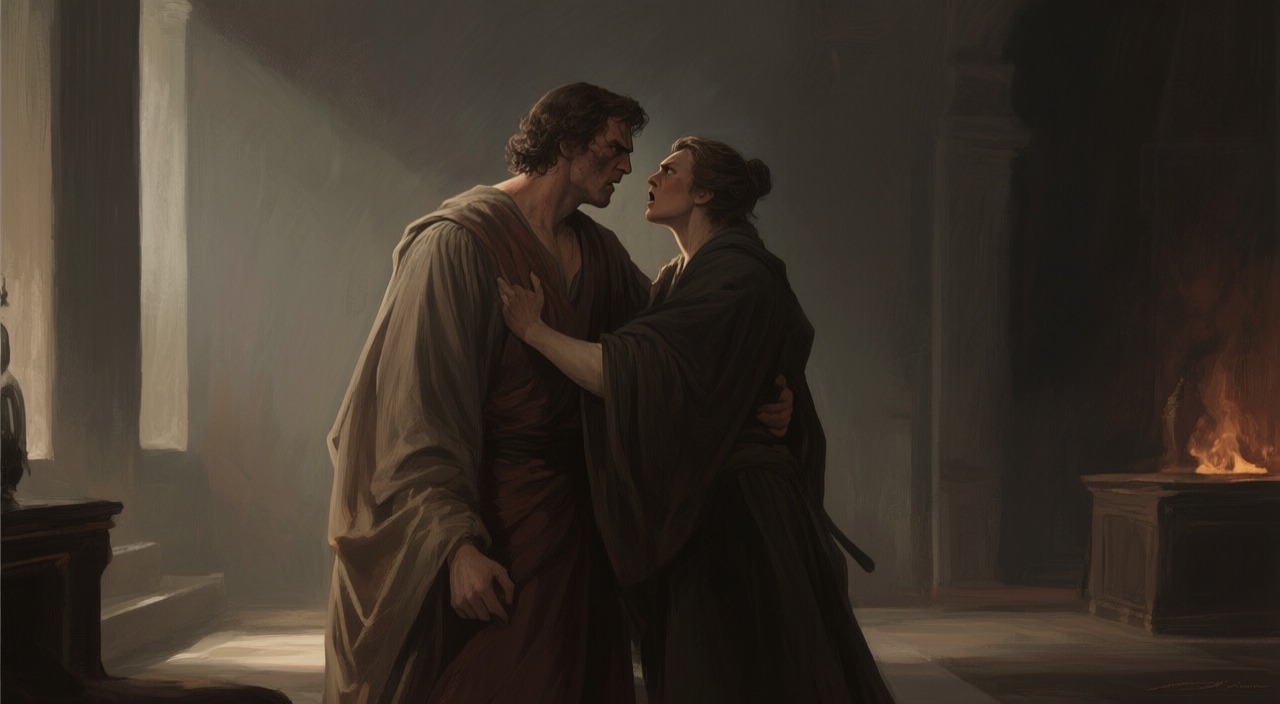
Venantius Found in Blood
A Grisly Discovery
During lauds, the body of Venantius of Salvemec is found headfirst in a jar of pig's blood. The scene is macabre and symbolic. William examines the corpse and the surrounding snow, finding traces that suggest the body was dragged from the Aedificium. He realizes the murder is connected to the library.
Interrogations Begin
William questions the monks, focusing on those who were part of a recent debate about laughter. He learns that Venantius had been interested in a forbidden book. The assistant librarian Berengar of Arundel is visibly frightened, and William pressures him, extracting a confession about a ghostly encounter with Adelmo.
The Pattern Emerges
William begins to see a pattern: the deaths may follow the seven trumpets of the Apocalypse. He notes that Adelmo died in a hailstorm (first trumpet) and Venantius in blood (second trumpet). This apocalyptic framework will guide his investigation.
Berengar's Disappearance
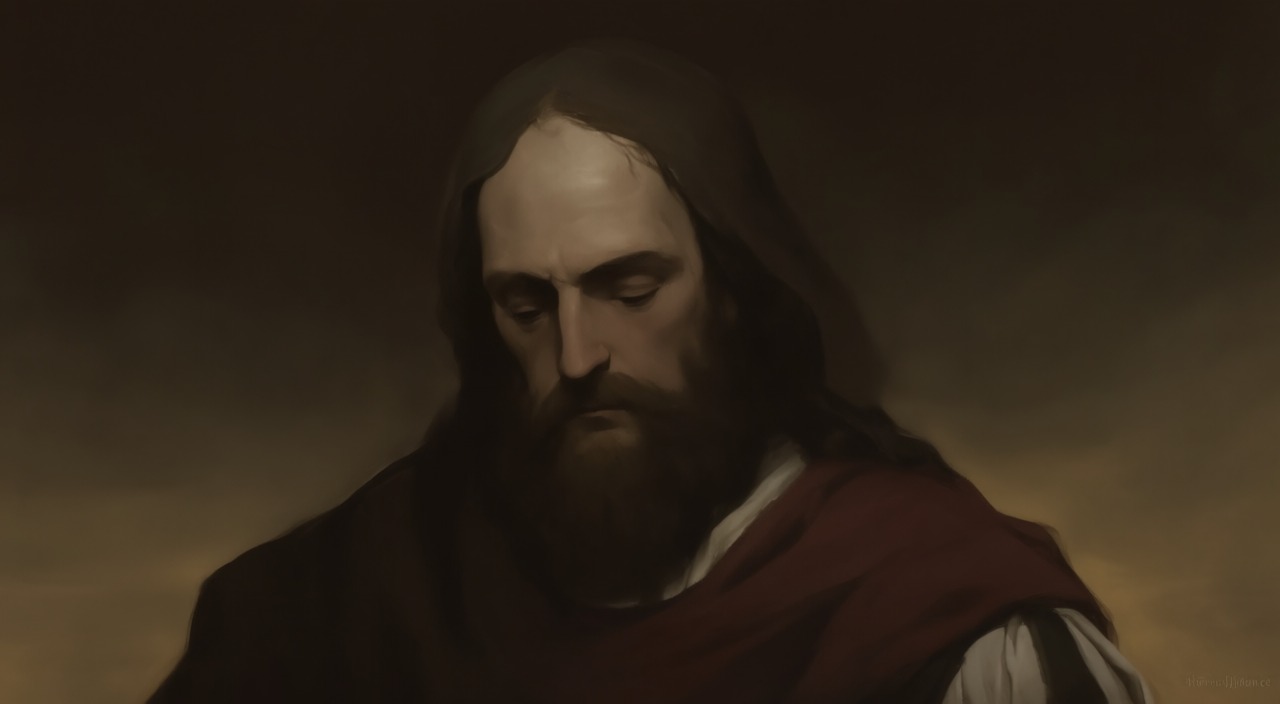
The Assistant Librarian Vanishes
A Night in the Labyrinth
William and Adso secretly enter the library at night, using a hidden passage through the ossuary. They explore the labyrinthine rooms, encountering mirrors, vision-inducing herbs, and confusing layouts. They discover that the library is a complex maze designed to disorient intruders.
The Theft of the Lenses
While examining Venantius's desk, William finds a coded message. A mysterious figure steals his precious reading lenses. William realizes that someone is actively trying to hinder his investigation. The theft confirms that the book Venantius was reading is of utmost importance.
Berengar's Fate
The next morning, Berengar is found drowned in the balneary. His fingers are blackened, suggesting he touched the same poisonous substance that killed Venantius. William now has three deaths, all linked to the forbidden book.
The Herbalist's Murder
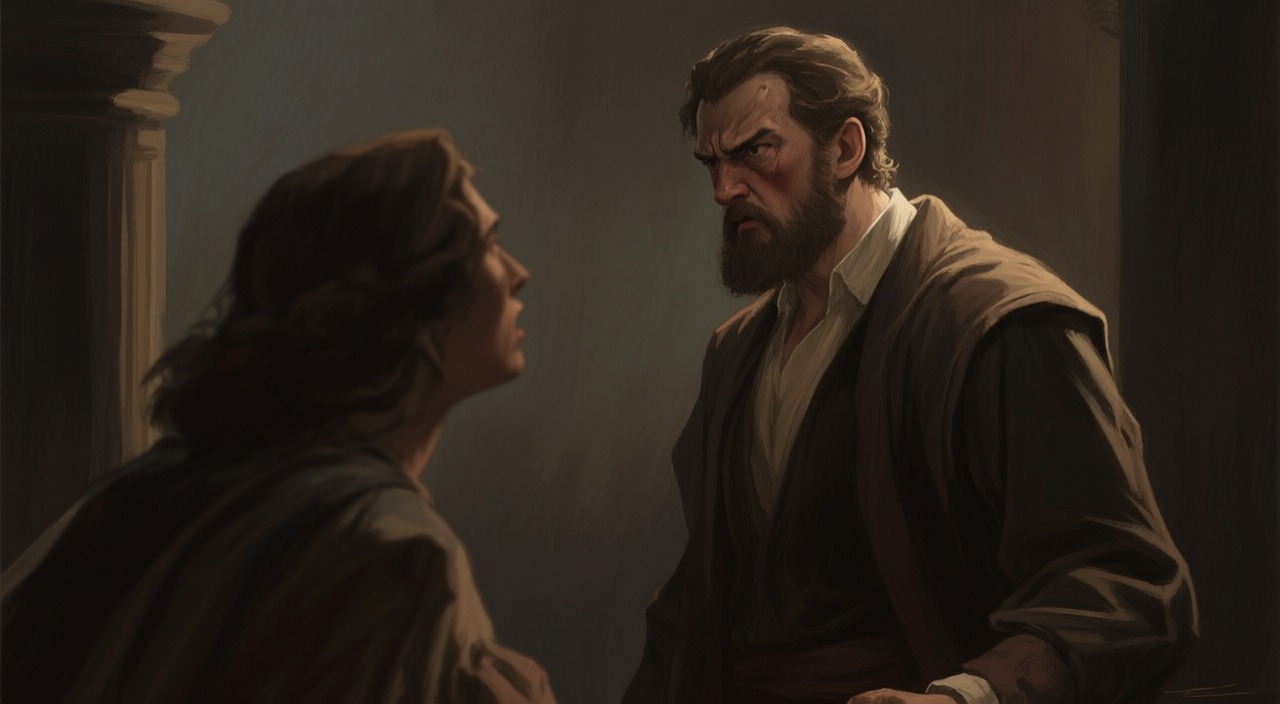
Severinus Slain
A Violent Death
During the debate on poverty, Severinus of Sankt Wendel is found murdered in his infirmary, his head crushed by an armillary sphere. The room is ransacked. William realizes that Severinus had discovered the forbidden book and was about to reveal it. The cellarer Remigio of Varagine is found at the scene and arrested.
The Missing Book
William searches the infirmary but cannot find the book. He later deduces that it was a composite volume containing Arabic, Syriac, and Greek texts. The book has been taken by Malachi of Hildesheim, who then dies after touching it.
The Inquisitor's Intervention
Bernard Gui, the papal inquisitor, takes over the investigation of Remigio, linking him to the Dolcinian heresy. William's own inquiry is sidelined, but he continues to pursue the truth about the book.
Confrontation in the Finis Africae
The Final Revelation
Entering the Secret Room
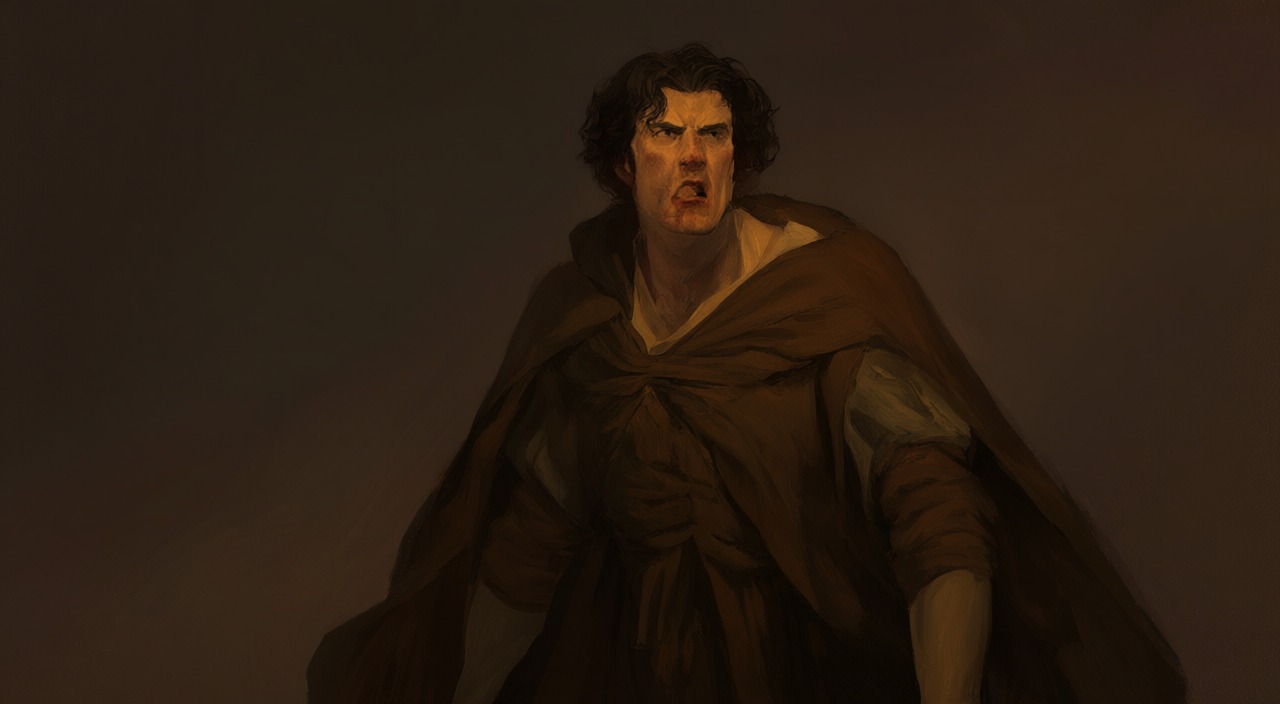
William and Adso, using a clue from Adso's dream, decipher the mechanism to enter the finis Africae. They find Jorge of Burgos waiting, having already killed the abbot. Jorge reveals that he has been the guardian of the library's secrets for decades.
The Book of Aristotle
The forbidden book is the second book of Aristotle's Poetics, which deals with comedy and laughter. Jorge has been poisoning its pages to kill anyone who reads it. He explains his fear that laughter would undermine the authority of the Church and the fear of God.
The Fire
Jorge begins to eat the book to destroy it. In the struggle, a lamp is knocked over, starting a fire that quickly consumes the library. William and Adso escape, but the abbey is destroyed. Jorge perishes in the flames.
Aftermath and Departure
The Ruins of the Abbey
The Fire Spreads
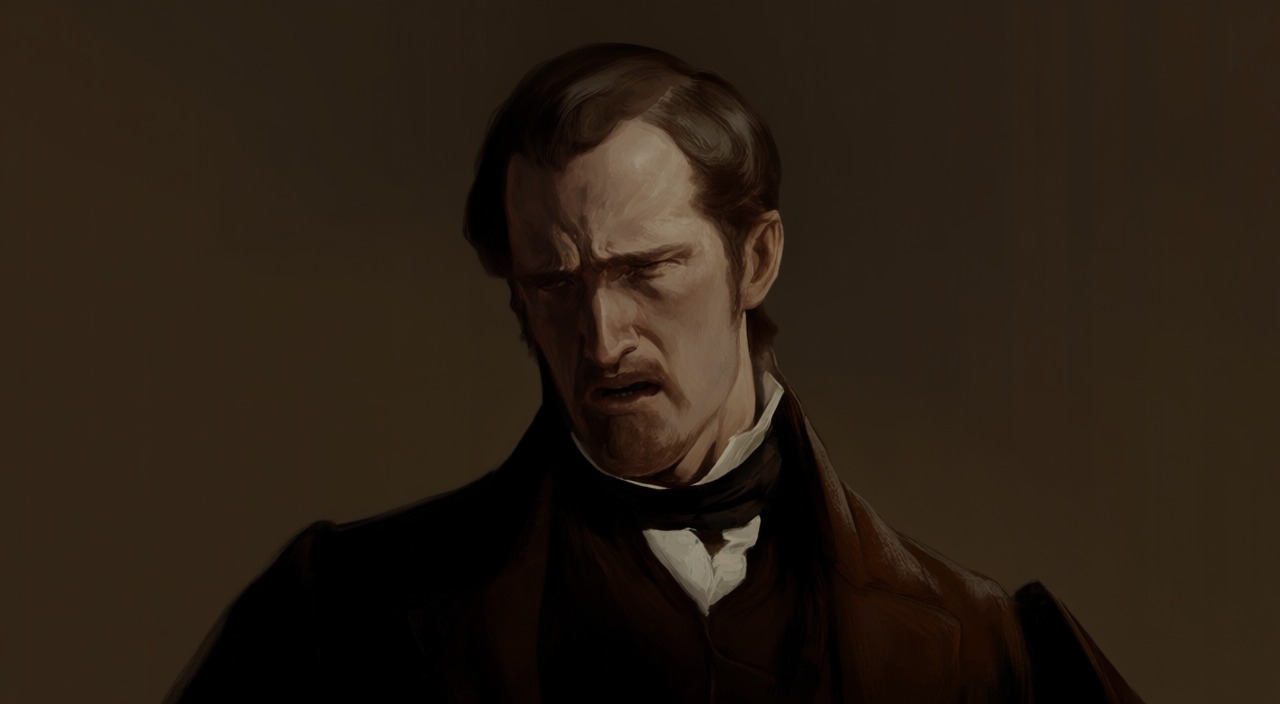
The fire rages for three days, destroying the church, the library, and most of the abbey. Monks and servants flee. William and Adso salvage what they can and leave on stray horses. The once-great center of learning is reduced to ashes.
William's Disillusionment
On the journey, William reflects on the investigation. He admits that his logical deductions were often based on false premises. He concludes that the universe has no inherent order, only the patterns humans impose. This philosophical crisis marks a turning point in his life.
Adso's Farewell
Adso returns to Melk, carrying the memory of the events. He later becomes a monk and writes this chronicle. The story ends with a meditation on the transience of all things: "Stat rosa pristina nomine, nomina nuda tenemus."
Morning of the first day
Morning of the second day
Night of the second day
Afternoon of the fifth day
Night of the sixth day
Morning of the seventh day and beyond
